
Other wine containers
As well as the traditional stainless steel, wood and concrete, other innovative containers are making their mark in winemaking. There are food-grade polyethylene vats that are slightly porous to oxygen, ideal for micro-vinifications because they are lightweight and stackable. There are also borosilicate glass containers that guarantee absolute purity and total neutrality, allowing the grapes to express themselves authentically while ensuring impeccable hygiene.
Flex tank
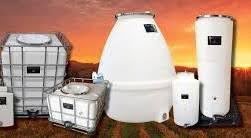
Made from approved food-grade polyethylene, these oxygen-permeable containers can be used for winemaking and maturing.Generally small in size, they can handle small batches and micro-vinifications at reduced cost. They come with a lifetime guarantee, are easy to move (lightweight), store (cube models can be stacked to save space) and clean, and their porosity to oxygen can help to soften the wines.
Flex tank
There are different types : cylindrical, square and egg-shaped. They are difficult to temperature-control, and other questions need to be asked about their inertia and the real contribution of oxygen to the wines.
Wine Globe
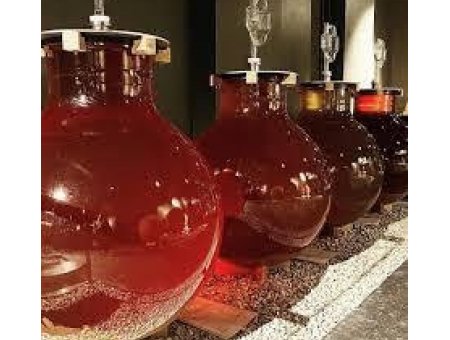
Since the 18th century, we have entrusted wine to glass bottles. Because of its neutrality, glass is a well-known and recognised material for the ageing and harmonious development of wines.As glass is considered the purest and safest material for food contact, this container guarantees the preservation of aromas and taste. Created from borosilicate glass, the purest glass available and the one with the most resistant vitreous matrix. So it's the first perfectly inert, smooth, impermeable, neutral vat that can't be altered over time.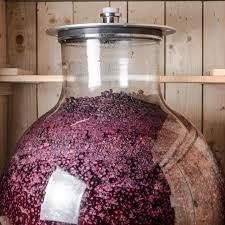
Wine globe